Olivia Simmons · 18 September 2026
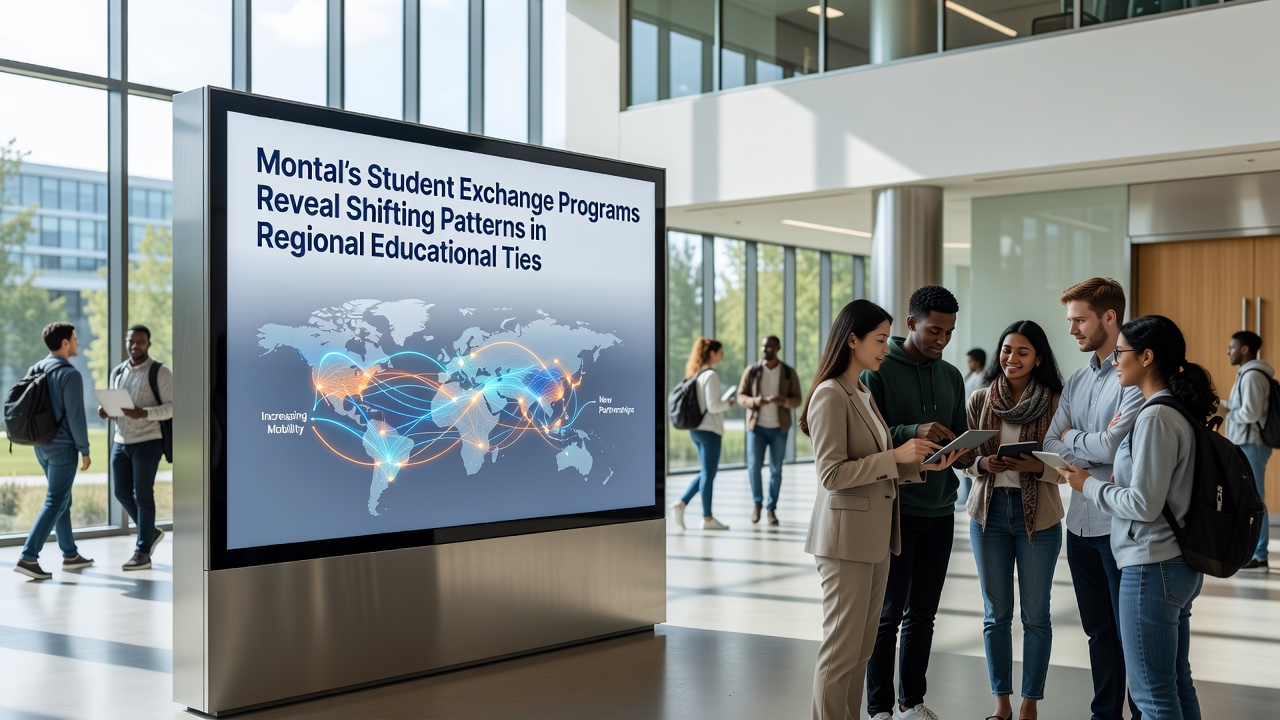
Montal's Student Exchange Programs Reveal Shifting Patterns in Regional Educational Ties
Montal's student exchange programs have operated for over fifteen years and now connect local institutions with more than thirty partner schools across Europe and beyond; data from the 2025 academic year shows participation levels holding steady at around 450 outgoing students while incoming numbers reached 520, figures that reflect broader adjustments in how regional ties form and evolve.
Current Scale of Exchange Activity
Enrollment records indicate that Montal University and its affiliated colleges send students primarily to institutions in Germany, France, and Poland, yet the distribution has begun to tilt toward newer partners in Spain and the Netherlands since 2023, according to program coordinators who track semester-long placements and credit transfers; incoming flows meanwhile originate more frequently from Baltic states and Scandinavian countries than they did five years earlier.
September 2026 marks the launch of an expanded agreement with two universities in Portugal that will add fifty additional spots for Montal students focusing on environmental science and digital media, a development tied to funding allocated through the European Commission's Erasmus+ framework.
Documented Shifts in Partner Preferences
Analysis of placement data reveals a 12 percent drop in exchanges with traditional French partners since 2022 alongside a 19 percent rise in agreements involving Eastern European institutions, patterns that align with reports from the European Education and Culture Executive Agency on evolving mobility trends across member states. Researchers at Montal's education research center have compiled these numbers from annual surveys and institutional reports, noting that cost considerations and language requirements appear to influence student choices more than they did before the pandemic period.
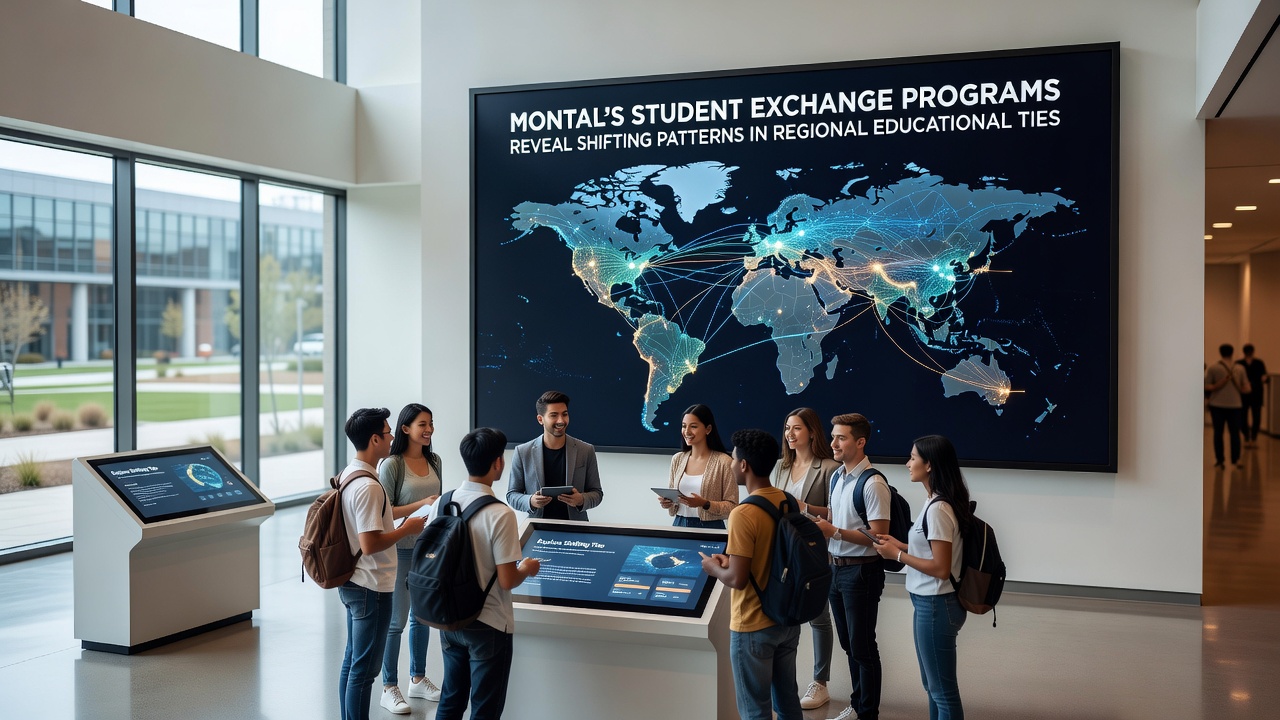
One study released by the University of Helsinki in 2024 examined similar regional programs and found that students increasingly select destinations offering specialized modules in renewable energy and artificial intelligence, subjects that have driven new partnerships for Montal as well; this preference shows up clearly in application statistics where engineering and technology tracks now account for 38 percent of total placements compared with 27 percent in 2021.
Factors Influencing the Observed Changes
Administrative staff point to visa processing times and accommodation availability as practical elements that steer decisions, while curriculum alignment remains the primary academic driver; Montal's programs require participants to complete at least 25 ECTS credits during their stay, a standard that partner institutions must meet before agreements are renewed each cycle. Funding support through national grants covers roughly 70 percent of travel and living expenses for eligible students, data confirmed in the most recent regional education ministry summary.
Observers note that language preparation courses offered locally have expanded to include intensive modules in Spanish and Dutch, responding directly to the growth in applications for those destinations; these courses run throughout the spring semester and prepare participants for both coursework and daily interactions abroad.
Impacts on Local Institutions and Students
Faculty members at Montal report that returning students bring updated perspectives on teaching methods and research approaches, which have led to adjustments in three undergraduate modules over the past two academic years; incoming students contribute to classroom diversity and have supported the development of joint projects in sustainable urban planning that continue after exchanges conclude.
Longer-term tracking shows that approximately 22 percent of participants from the 2020-2022 cohorts secured employment or further study opportunities in their host countries within eighteen months of graduation, according to career services records maintained by the university.
Conclusion
Regional educational connections through Montal's exchange programs continue to adjust in response to curriculum priorities, funding structures, and student interests, with measurable changes appearing in partner distribution and subject focus; ongoing data collection through 2026 will clarify whether current trends stabilize or shift again as new agreements take effect and additional reports become available from participating institutions.