Morgan Walter · 2 September 2026
The European Union has approved a substantial grant to support the Montal Heritage Restoration Project, marking a significant step in preserving Europe's cultural legacy. This funding comes as part of the EU's commitment to safeguarding historical sites across member states.
Details of the EU Grant and Project Scope
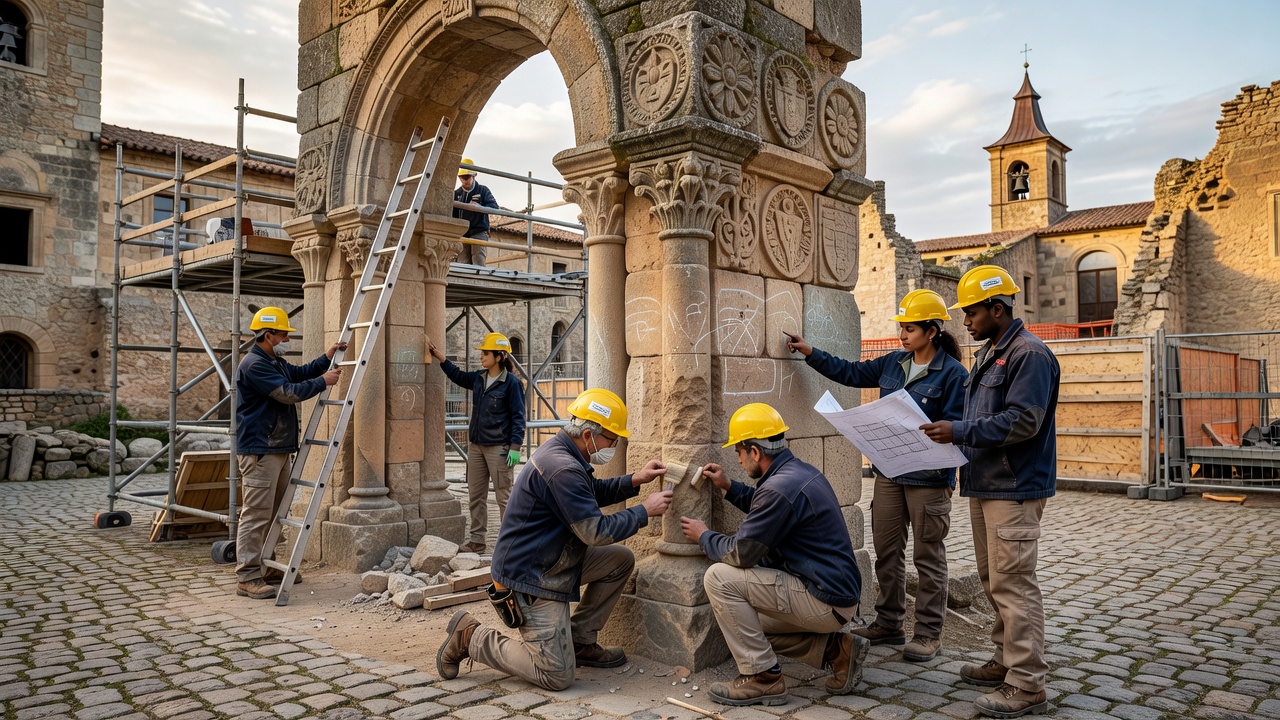
The approved funding amounts to 30 million euros, distributed over a five-year period starting in 2025. The project focuses on several key sites including the historic Montal Castle, medieval monasteries, and traditional architecture in rural areas. Restoration efforts will employ advanced techniques to maintain authenticity while incorporating modern safety standards. International teams of archaeologists, architects, and conservationists will oversee the work to ensure compliance with UNESCO guidelines where applicable. Environmental sustainability is a core component, with measures to reduce carbon emissions during construction activities. Local businesses are expected to benefit from increased activity as materials and labor are sourced regionally.
Officials from the European Commission emphasized that this initiative addresses the urgent need for maintenance of aging structures threatened by climate change and urban development pressures. Studies conducted prior to the grant approval identified critical areas requiring immediate attention to prevent further deterioration.
Broader Impacts on Montal and European Heritage
The restoration project is anticipated to revitalize tourism in the Montal region, attracting visitors interested in European history and architecture. Educational programs will be established to teach younger generations about their cultural roots, promoting awareness and appreciation. Economic analyses project the creation of over 500 jobs during the project's duration, with long-term opportunities in heritage management and tourism services. Challenges such as coordinating multiple stakeholders and navigating regulatory frameworks are being addressed through dedicated project management offices.
EU representatives noted that successful completion could serve as a model for similar endeavors in other parts of Europe. Collaboration with academic institutions will facilitate research opportunities, contributing to the global body of knowledge on heritage conservation. Regular updates and public consultations will ensure transparency throughout the implementation phase.